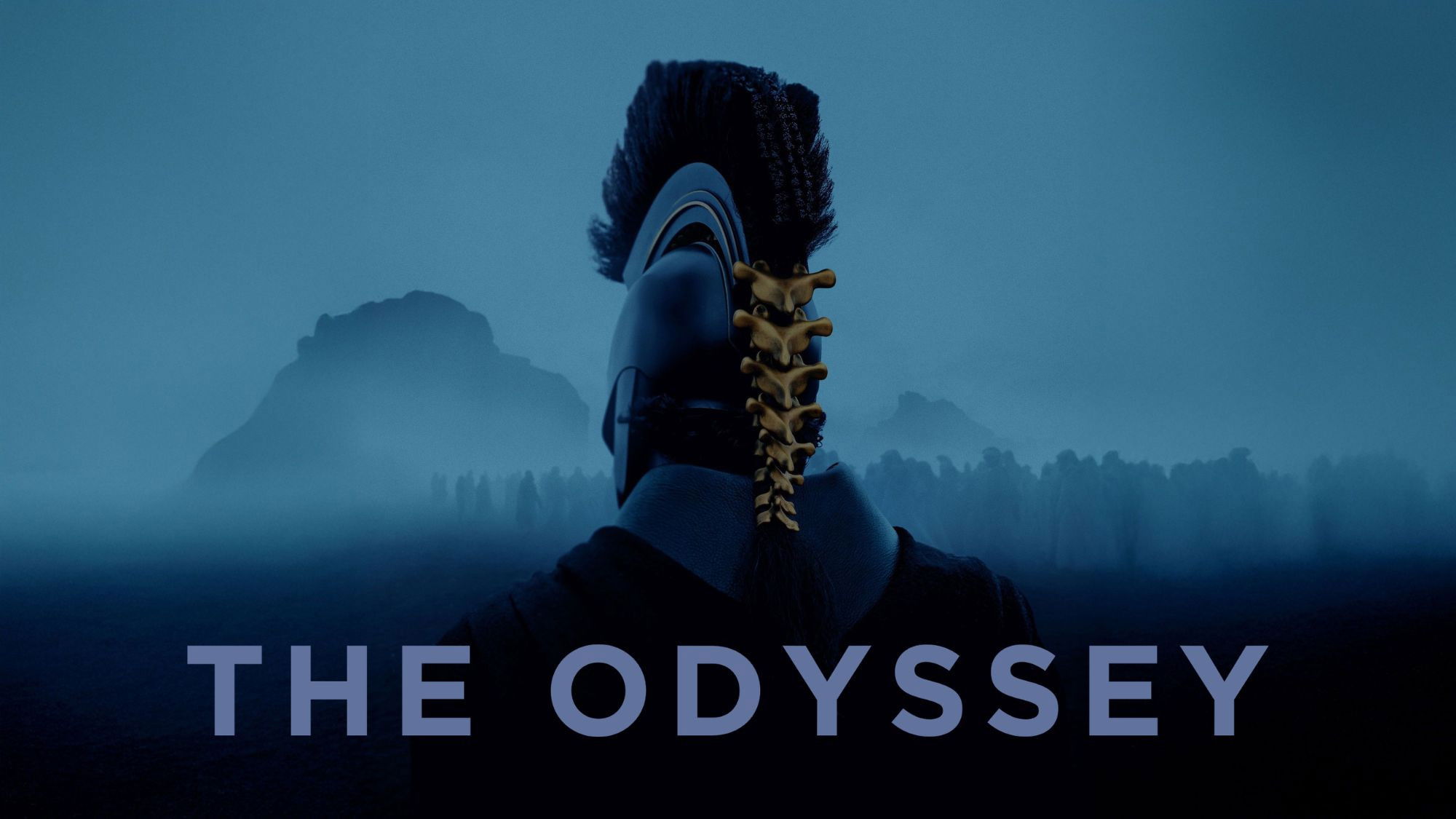
Christopher Nolan makes big, cinematic movies, and one of the summer’s biggest is his latest, The Odyssey (Tom Holland also starred in the other summer tent pole, Spider-Man: Brand New Day, which shattered box office records and pushed Nolan’s epic to a very respectable second place).
Nolan spent three years building a 70mm IMAX spectacle retelling Homer’s classic about Odysseus’ tormented return home. The writer-director’s work has redefined the blockbuster genre with a signature mix of tight, intricate stories and jaw-dropping live action sequences. Recently, Nolan sat down with the Telegraph and casually dismantled the question everyone in business keeps asking about AI.
“I think the idea that it replaces human beings wholesale and human creativity is nonsense,” Nolan said. Not because AI isn’t capable. He uses it constantly, streamlining technical work like removing stunt wires or fixing lighting. But the creator draws a stark line in the sand: automate the task, never the imagination.
Harvard’s Andy Wu, writing in a recent HBR piece, explains the difference. His view is that some creative work runs on explicit data, which AI excels at. Other work is powered by tacit knowledge, like the empathy, intuition and judgment that no model can replicate. The mistake isn’t using AI. It’s knowing when not to.
Nolan admits that writing is “very hard, and very lonely.” When he’s stuck, he doesn’t prompt his way out of it. He takes a walk. He puts on music. He waits for the idea that only he could have had. AI can organize his notes, summarize his research, or clear the busy work off his desk. It cannot take that walk for him.
For every leader watching their industry get “disrupted” by the same technology, Nolan provides a key path forward. Use the technology to clear the path home, not to steer the ship to get there. The reason you started the company, the gap you saw before anyone else did, those stories are still yours to tell. Nolan didn’t need AI to write the script for The Odyssey. He needed it to get out of his own way long enough to write it himself.