Build something people love, interpersonal warmth, and finding beauty and symmetry from unexpected locations. These are a few of the stories we’re talking about this week. Whether it be in the office or on the airplane headed to our next program, we’re always talking about the issues and trends that are shaping the way we learn as well as what interests each of us on the team. Read more below.
Finding powder, building joy
OpenSnow began as a passion project to deliver hyper-local, accurate snow forecasts from ski enthusiasts Bryan Allegretto and Joel Gratz. Beginning as a labor of love and manual data entry, they eventually built their own AI model, delivering 50% more accurate global forecasts. Beginning as unpaid upstarts, the duo’s app is now a cult favorite with half a million users: including ski resorts, avalanche teams, and national organizations. OpenSnow remains beloved by its users and successfully pivoted to subscriptions, remaining independent the entire time. Their success stems from a laser like focus on joy, accuracy, and helping people chase what they’re ultimately looking for: the best powder.
Am I getting warmer?
A recent article in Big Think examines why some people are magnetic, and the answer may surprise. We generally assume people are drawn to charisma and confidence, but research reveals it has more to do with our “interpersonal warmth.” When we meet a stranger, our brains are wired to assess “Can I trust this person?” before anything else. The good news is that warmth is learnable. Welcome others genuinely, share small vulnerabilities, expect to be liked (it shows), and display the basics like eye contact and active listening. Drop your guard first. When you make it safe for others to connect, they almost always will.
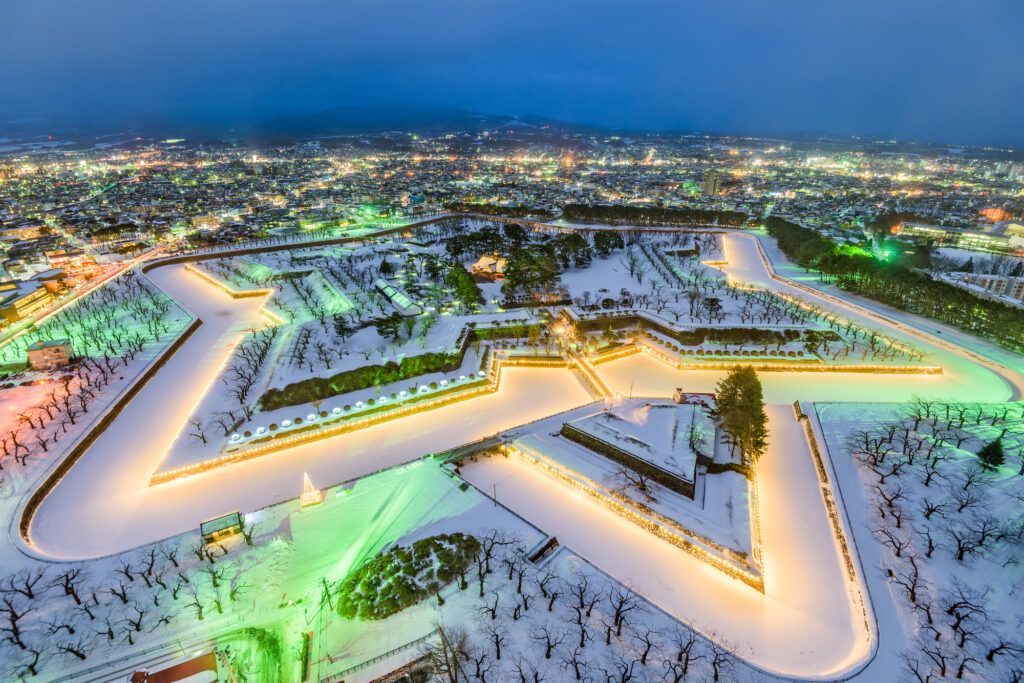
Beauty and symmetry in unexpected places
Surprisingly beautiful, Star forts were military fortifications designed in Renaissance Europe to counter artillery threats using geometric principles. With angular bastions and radial symmetry, these structures emerged from novel, mathematical approaches to defense increasingly popular in the era. Intended for action, their design inadvertently created aesthetically pleasing forms, reflecting symmetry and balance. Many were preserved for their beauty long after obsolescence in the 19th century and now serve as historical landmarks or parks, reminding us functional design can lead to unexpected elegance and unplanned outcomes. Let form follow function and see what you discover.
Wait, is Blackberry kinda back?
While the world may have moved on from those miniature keyboards, a company has released a Kickstarter for a Blackberry inspired Android phone. Sailing past their initial goal to reach a pledged amount of $2.7 million, there is clearly still an appetite for the device, but is it simply nostalgia or a real desire for a physical keyboard after years of on-screen buttons? Unclear, but we’re still hoping T9 makes a comeback.